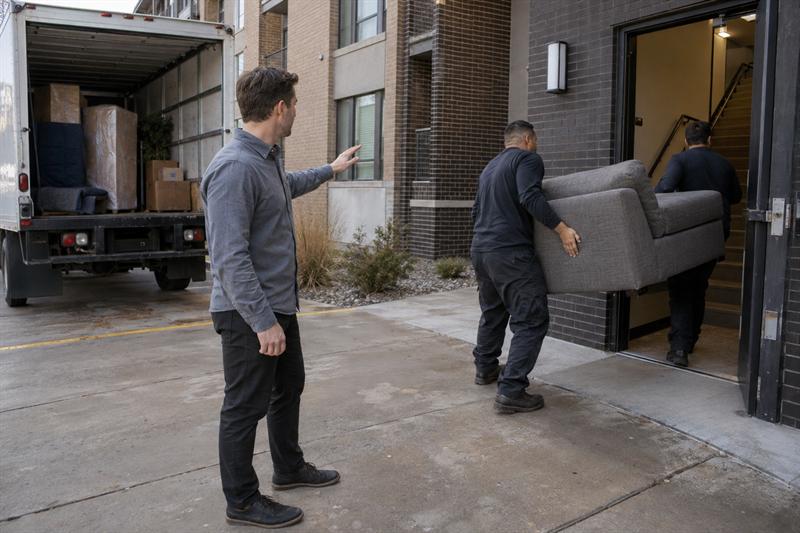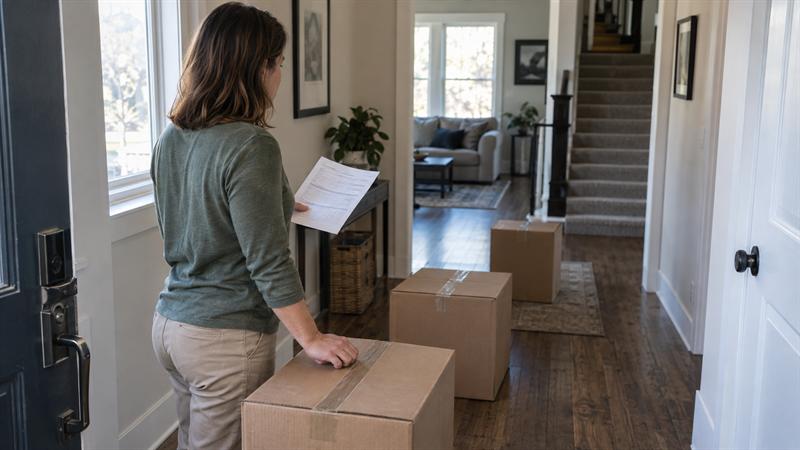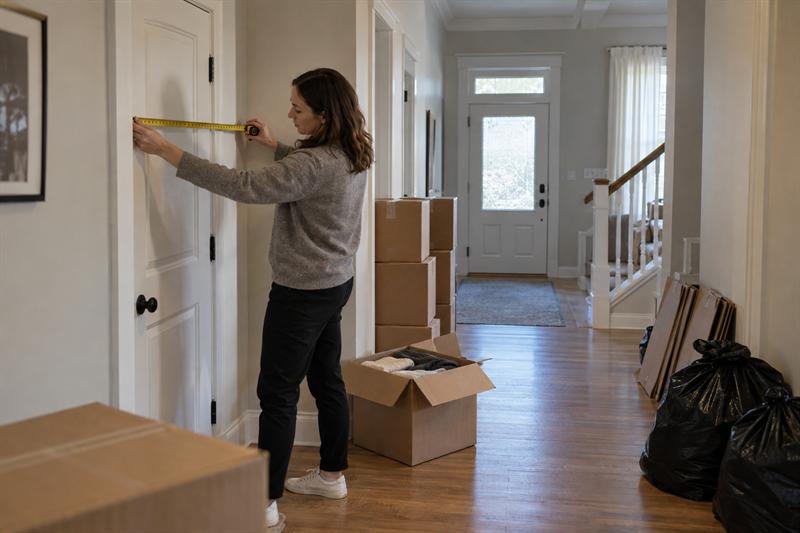
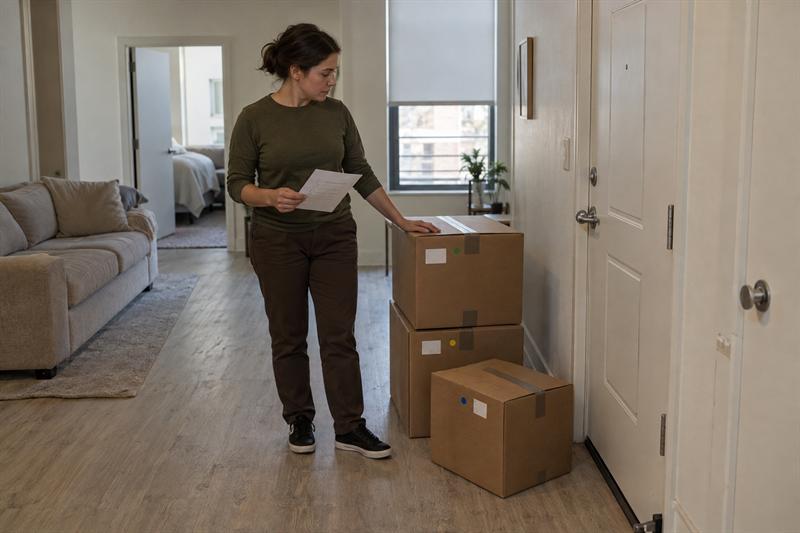
A studio or one-bedroom move can look simple at first. In practice, that is often where delays begin. Small apartment moves tend to slow down when the building is not ready, the path to the truck is blocked, or too many items are still loose when movers arrive.
At Express Movers, this comes up regularly on local apartment moves across Denver. The apartment may be small, but the access is tight, the move window is limited, and one bulky piece of furniture can change the pace of the day. When those details are handled late, loading often takes longer and the whole move feels more stressful than expected.
Why Small Apartment Moves in Denver Still Need a Plan
A small move is not always an easy move. In many Denver apartments, the main issue is not how much you own. It is how efficiently everything can move from your unit to the truck.
One common mistake is assuming a smaller home needs less prep. That often leads to bags on the floor, unboxed kitchen items, blocked hallways, and furniture that has not been checked against the elevator or stairwell. Once loading starts, each of those details adds time.
Denver can add its own challenges. Older buildings, walk-ups, limited curb access, alley loading, and strict move windows all affect how smoothly a crew can work. That is why a small apartment move checklist in Denver should focus on access and timing first, not just packing.
- Loose items can slow down the first trips out the door
- Unreserved elevators can force a crew to wait or adjust the plan
- Long carry distances from truck to unit add time quickly
- Undisclosed heavy furniture often becomes the longest part of the move
If your move includes stairs, narrow hallways, or a short lease turnover window, professional help may make more sense than trying to piece the day together at the last minute. For a broader look at local move planning, see how to plan a local move within Metro Denver.
What to Confirm With Your Apartment Building Before Moving Day
Elevator Reservations, Loading Docks, and Move Windows
Start here because this often determines whether the move begins smoothly or starts behind schedule. Many apartment buildings control when movers can use elevators, where the truck can pull in, and how long the move can last.
- Ask if the building requires a move reservation
- Confirm the approved move-in or move-out time window
- Check whether a service elevator must be booked
- Ask whether the loading dock is shared or restricted
- Clarify any weekend, end-of-month, or holiday limitations
This is where small delays start to stack up. A one-bedroom move with a limited elevator window usually leaves less room for mistakes than a larger move with direct ground-floor access.
Parking Access and Truck Placement
The truck needs a workable place to stop. If the nearest legal space is far from the entrance, the move becomes a longer carry job, and that changes the pace of the load immediately.
This comes up often in denser Denver neighborhoods and apartment corridors with limited curb space. If the truck has to park around the corner, in an alley, or beyond a controlled access point, the crew spends more time walking each item out. That can turn a small move into a longer one.
- Find out where the truck can legally park
- Check whether curb space is limited at your building
- Look for alley access, gates, or tight turns that affect loading
- Identify the closest entrance the crew can actually use
Certificates of Insurance and Building Requirements
Some buildings require a certificate of insurance before movers can begin. Others have vendor check-in procedures or proof-of-insurance requirements that need to be handled before move day.
Not every building asks for this, but when one does, the move can stall before the first item is loaded. It is easy to miss because it has nothing to do with packing and everything to do with access.
If any of these signs sound familiar, the move likely needs tighter coordination before moving day:
- Your building has a service elevator or loading dock with scheduled access
- Parking near the entrance is limited or unclear
- You have a couch, dresser, mattress, or other awkward item in a tight layout
- Your lease timing leaves little room for delays
When those issues are already in play, the move usually needs a clearer plan before the truck arrives, not on move morning.
Small Apartment Moving Checklist: 1 Week Before the Move
Sort, Donate, and Reduce What Needs to Go
Even small apartments often hold more than people expect. That usually becomes clear when packing starts and every closet, cabinet, and under-bed space turns into another group of items that has to be moved.
One common issue is holding onto low-priority items because the apartment does not feel like it contains much. Then moving day arrives and the crew still has to carry things that were never worth packing in the first place. Reducing what needs to go makes the move simpler and opens space for staging.
- Pull out unused kitchen items, clothing, and decor first
- Separate donations before packing the rest
- Reconsider bulky furniture if the layout is tight or stair access is involved
Finish Packing What Should Not Be Left for the Last Minute
Most loose household items should already be boxed before movers arrive. That includes clothes, kitchen items, decor, shelf contents, bathroom storage, and small electronics that are not part of your essentials bag.
This is where small apartment moves usually lose time. People leave too many things loose because the space is compact and the move feels manageable. Once loading starts, those items have to be gathered, sorted, and carried in smaller trips, which slows everything down.
- Box loose items from counters, shelves, and closets
- Pack non-essential kitchen items ahead of time
- Consolidate shoes, linens, and bathroom items into labeled boxes or bins
- Keep only true daily-use items out for the final day
If packing is falling behind, getting help before move day is often more effective than trying to catch up during the load. For broader prep guidance, see this Denver moving checklist.
Label Boxes by Room and Priority
Labeling matters even in a studio or one-bedroom. It helps keep the unload organized and prevents the new place from turning into one mixed stack of boxes with no clear order.
The useful distinction is not just room labels, but priority labels. A small apartment often has limited floor space at delivery, so open-first boxes should be easy to spot right away.
- Label each box by room
- Mark fragile items clearly
- Identify open-first boxes for the first night
What to Do 24 Hours Before the Truck Arrives
Create a Staging Path Inside a Tight Apartment
Clear a path from the farthest point in the apartment to the front door. This is one of the simplest ways to make a small move more efficient.
A common move-day problem is having the apartment fully packed but the path out blocked by stacked boxes, loose bags, or furniture pushed into the hallway. That setup slows every trip. In a tight layout, clear movement matters more than perfect neatness.
- Move packed boxes closer to the exit if space allows
- Keep hallways and entry points open
- Make sure elevator access is easy to reach
- Remove rugs, bags, and small obstacles from the route
Disassemble Furniture Only if Needed
Do not take everything apart by default. Focus on furniture that will not fit through doorways, around corners, into elevators, or down stairwells easily.
What often goes wrong is unnecessary disassembly that creates loose hardware, missing pieces, and extra confusion. The better approach is targeted prep. If one bed frame, sectional, or table is clearly the access problem, handle that item and leave the rest alone.
- Disassemble only the pieces that need it for access
- Bag and label screws, brackets, and hardware
- Flag heavy or awkward items before the move starts
Set Aside Valuables, Documents, Medication, and Essentials
Create one personal bag or container for items that should stay with you. This usually includes medication, important documents, chargers, keys, ID, valuables, and what you need for the first night.
The mistake here is waiting until the last minute to separate those items. That can result in essentials getting packed into the main load, which turns a simple first-night setup into a frustrating box search.
- Keep documents and valuables separate from packed boxes
- Set aside medication and daily-use items
- Pack chargers, toiletries, and one change of clothes
- Separate anything that should not go on the truck
What Movers Need Ready When They Arrive
Clear Access Points, Hallways, and Elevators
When movers arrive, access should already be ready. If the building is expecting the move, the elevator is reserved, and the route is clear, loading usually starts faster and stays on pace.
If access is not ready, the move shifts into waiting and workaround mode. That wastes time when the crew should be making the first trips to the truck.
- Have entry codes, keys, or building access ready
- Keep hallways and doors clear
- Secure pets so the route stays open and safe
- Make sure the elevator is available if one was reserved
Packed Boxes, Labeled Items, and Special Instructions
Boxes should be closed, labeled, and ready to move. If there are fragile items, separate stops, or items not going to the new apartment, that should be clear before loading begins.
This is where confusion can spread if nothing is labeled well. The crew may lose time asking questions, fragile items are harder to group properly, and delivery becomes less organized than it needs to be.
- Close and label all boxes
- Point out fragile or high-priority items
- Identify anything staying behind, going to storage, or heading to another stop
- Share building instructions for both pickup and delivery locations
If your move includes a few large or awkward pieces, it helps to think about them separately from the rest of the apartment. For related planning around bulky items, see furniture movers in Denver.
Items That Cannot Go on the Truck
Some items should stay out of the main load. In general, that includes flammables, certain chemicals, hazardous materials, and personal essentials that should stay with you.
The key distinction is between safety concerns and personal-risk items. Safety-related items do not belong with household goods, and personal essentials become a problem when they disappear into stacked boxes. Sorting those categories ahead of time helps prevent delays at the door.
- Flammables
- Certain chemicals or hazardous materials
- Important documents
- Medication
- Valuables
- Chargers and first-night essentials
Common Mistakes That Make a Small Apartment Move Take Longer
The biggest delays in small apartment moves are usually predictable. They tend to come from the same few problems repeated in different forms.
- Not reserving elevator access: This can lead to waiting, adjusted loading plans, or overlap with other tenants during the move.
- Assuming the move is too small to prep for: This often results in loose items, blocked pathways, and rushed packing.
- Leaving boxes unlabeled: Unloading becomes slower and more confusing, especially when space is tight at the new apartment.
- Not disclosing bulky or heavy furniture: This is where problems often start with access, timing, and crew planning.
- Ignoring parking or carry distance: A short move can turn into a longer loading process when the truck is far from the entrance.
If you are already dealing with two or more of those issues, the move is probably not just a packing problem. It usually means logistics need to be tightened before moving day. For readers comparing providers, what to look for in a Denver moving company before you book helps clarify what matters most.
When to Get Help With Packing or Heavy-Item Handling
Situations Where a Small Move Benefits From Local Movers
Local movers usually make the most sense when access is difficult, the timing is tight, or the furniture is harder to handle than the apartment size suggests. The practical question is not whether the home is small. It is whether the move has friction points that will slow everything down.
- Walk-up apartments
- Strict move windows
- Large furniture in narrow spaces
- Short lease turnover timelines
- Moves that include both standard boxes and labor-heavy items
At Express Movers, that can be especially helpful when a small apartment move includes furniture handling, heavy lifting, or related haul-away needs. Coordinating those needs through multiple providers can add unnecessary moving parts to an already tight schedule.
When Packing Assistance Can Reduce Move-Day Stress
Packing help is often worth considering when the move date is close, work schedules are full, or the apartment has more breakables and loose storage than expected. Partial help is often enough to improve the part of the move most likely to cause delays.
One common example is the renter who has boxed the easy rooms but still has a kitchen, bathroom storage, and miscellaneous closet items scattered everywhere the night before. That is often the point where the move starts slipping. Organized packing support can solve that problem faster than trying to sort it out during loading.
Quick Checklist for Move Morning
- Do a final walk-through of every room
- Check closets, cabinets, bathroom storage, balcony, and entry areas
- Keep keys, phone, ID, charger, paperwork, and payment method easy to reach
- Make sure the path to the door stays clear
- Be ready to point out fragile items and special instructions
Key Takeaways
- Small apartment moves usually slow down because of access problems, not just packing volume
- Elevator reservations, parking, and move windows should be handled before move day
- Loose items are one of the biggest time-wasters in studio and one-bedroom moves
- Staging a clear path to the door helps the crew load faster in tight layouts
- Heavy or awkward furniture should be identified early because it changes the plan
Conclusion
The real challenge with small apartment moves in Denver is often not the square footage. It is what happens when access, staging, and packing are left unresolved until the truck arrives. That usually leads to delays, longer loading times, and a more stressful move than the apartment size suggests.
At Express Movers, these are the issues that come up again and again: unreserved elevators, unclear parking, too many loose items, and one or two bulky pieces that change the pace of the day. When those details are handled early, the move is usually more organized and easier to manage. If your apartment move includes tight access, heavy furniture, or a short timeline, the practical next step is to contact Express Movers and get the plan in place before move day starts.
FAQ
How far in advance should an apartment move be planned in Denver?
It depends more on access requirements than apartment size. A small apartment still needs advance planning when the building requires elevator reservations, move windows, or loading dock coordination. A common misunderstanding is thinking a studio move needs less lead time just because there is less to carry. In reality, a short move window in a controlled-access building can create more pressure than a larger move with easy ground-floor loading.
What should be packed before movers arrive at a small apartment?
Most loose household items should already be boxed before movers arrive, including clothes, kitchen items, decor, shelf contents, and bathroom storage. The reason is simple: loose items slow every trip out of the unit. A well-packed one-bedroom usually loads faster than a smaller apartment with bags, bins, and scattered items still sitting out.
Do Denver apartment buildings usually require elevator reservations or certificates of insurance?
Some do, especially larger buildings or properties with structured move procedures. Elevator reservations control access inside the building, while a certificate of insurance may be part of the property’s vendor requirements. What matters is that either one can hold up the move if it is discovered too late. These details are not universal, but when they apply, they directly affect whether loading starts on time.
Can movers handle a studio or one-bedroom move, or is that too small?
Yes, movers can handle a studio or one-bedroom move, and size alone is not the best way to judge whether help is worth it. What changes the decision is access, furniture weight, and time pressure. A small apartment with stairs, tight hallways, and one oversized couch is usually more demanding than people expect.
What items should not be loaded onto a moving truck?
In general, flammables, certain chemicals, hazardous materials, and personal essentials should stay out of the main load. The important distinction is between items that raise safety concerns and items that create personal-risk problems if they disappear into stacked boxes. Medication, important documents, chargers, and valuables are better kept with you so the first night does not turn into a search through packed boxes.
What causes the biggest delays during a small apartment move?
The biggest delays usually come from access and preparation problems. Unreserved elevators, poor parking, long carry distances, loose unpacked items, and undisclosed bulky furniture are the most common issues. This is why small moves often take longer than expected. The volume looks manageable, but the layout and access conditions create the real bottleneck.