Why a Denver-Specific Moving Checklist Matters
Generic moving checklists usually focus on packing supplies, address changes, and utility transfers. Those steps matter, but they do not always address the issues that slow a move down once loading begins.
Denver-area moves can involve apartment access, older homes, stairs, tight corners, limited parking, and changing conditions around the property. That is where many delays begin. If the home is not staged for access and loading, the move may take longer, bulky items may be harder to handle, and last-minute decisions can create confusion.
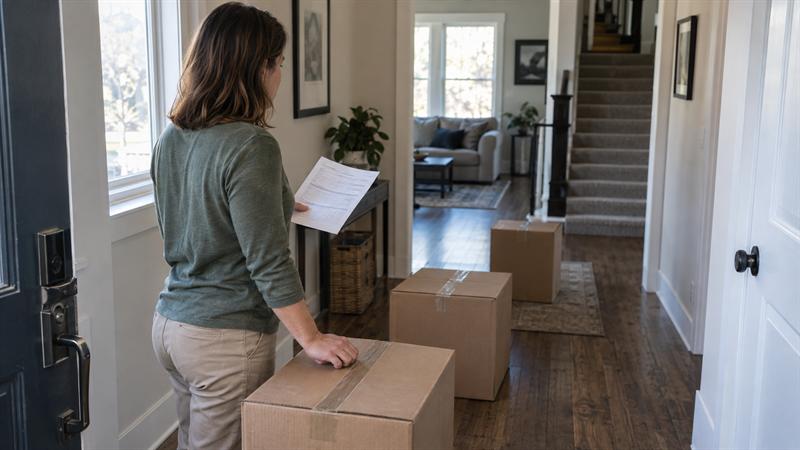
- Boxes are packed, but hallways are still blocked
- Furniture is ready to move, but no one measured the route out
- Items to move, donate, and throw away are mixed together
- Building access or truck placement is left until the last minute
If professional help is already part of the plan, reviewing your Denver moving services early can make the rest of the checklist easier to follow.
6 to 8 Weeks Before Moving Day: Start With the Big Decisions
Start with the parts of the move that affect everything else: date, destination, access, and scope. If those are not clear early, every later step gets harder to organize.
This is also when it becomes easier to tell whether the move is straightforward or whether it includes issues that may cause delays. People often underestimate the number of large items, the complexity of the entry path, or how much unwanted furniture is still sitting in the home.
- Confirm the move date and timing window
- Decide whether the move is local or long-distance within Colorado
- Take inventory of large, fragile, or awkward items
- Declutter early so fewer items need to be packed and loaded
- Compare quotes based on what is actually included, not just the base number
If this step is skipped, the move may take more time and effort than expected. Items that should have been separated earlier may stay in the way, labor needs may be scoped incorrectly, and packing may start before the home is truly ready.
If you are still comparing options and need scheduling clarity, use the opportunity to request a free quote before the calendar gets tighter.
Separate What Is Moving, Donated, or Hauled Away
One of the most common move-day slowdowns is not knowing what actually belongs on the truck. This usually gets worse when the home is partially packed but nothing has been clearly sorted.
Create separate zones for items that are moving, being donated, going to the trash, or need to be hauled away. When those categories are mixed together, people may need to stop to ask questions, items may get loaded by mistake, and the move can lose momentum.
This is also where a bundled approach can help. Some households are not just moving. They are also clearing out unwanted furniture, replacing pieces, or dealing with heavy items that need separate handling.
3 to 4 Weeks Before the Move: Prepare the Home and Start Packing
This is when home preparation should become visible. The goal is not just to put items in boxes. The goal is to make the home easier to move out of.
Start with non-essential items and label by room and priority, not just by category. That can make unloading smoother because the boxes are organized around where they need to go, not just what they contain.
- Pack non-essential items first
- Label boxes by room and unloading priority
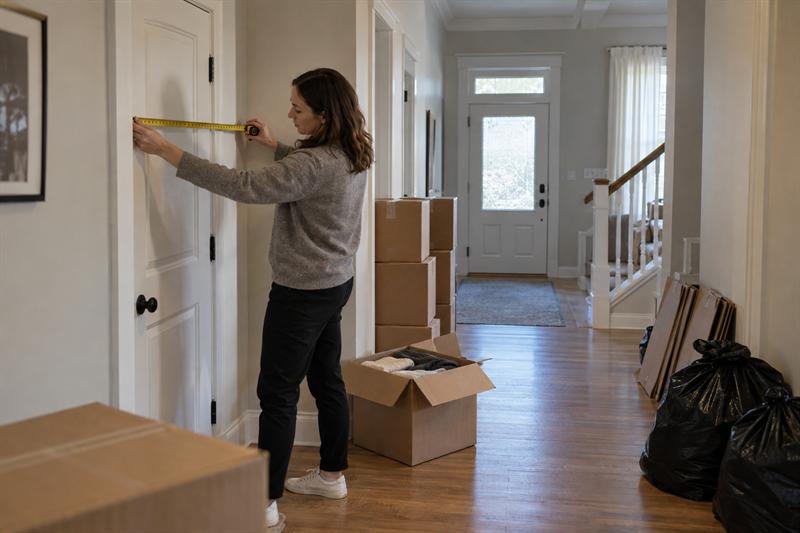
- Measure furniture, stairwells, doorways, and elevators
- Identify bulky items that need extra handling or disassembly
- Gather supplies before packing picks up
A common issue is packing quickly without preparing routes, measurements, or staging. That may lead to furniture jams, extra trips, and more time spent solving problems that could have been handled earlier.
If bulky furniture, difficult access, or heavy lifting is already obvious, this is the right time to look at Denver moving services instead of waiting until the final week.
Measure Before You Assume Furniture Will Fit
Do not wait until moving day to learn that a couch, bed frame, dresser, or appliance will not clear the doorway. By then, the move is already underway and options may be more limited.
Measure hallways, stair turns, door frames, elevator interiors, and the outside approach to the truck. If you are seeing tight clearances or awkward angles, the item may need a different route, partial disassembly, or extra care to move it out cleanly.
This is where problems often start in older homes and tighter layouts. The furniture itself is not always the issue. The route out of the home is.
Pack for Unloading, Not Just for Transport
Packing is easier when it is organized around what happens at the destination. Label boxes by room and priority so unloading does not turn into sorting from scratch.
Keep first-night essentials separate and clearly marked. Use visible labels for fragile boxes and anything that should not be stacked. A small essentials kit with chargers, medications, important documents, and basic cleaning supplies can help prevent a stressful first-night scramble.
If your move already includes any of these signs, it is time to tighten the plan:
- Large furniture has not been measured against doors, stairs, or elevator space
- Items to move and items to remove are still mixed together
- Building access, truck parking, or timing windows are still unclear
- Heavy items require more than basic carrying effort
At that point, the move is no longer just a packing job. It needs a clear handling plan.
1 to 2 Weeks Before the Move: Confirm Logistics and Finish the Bulk of Packing
The final two weeks should be about confirmation, not major decisions. Most packing should already be done so attention can shift to access, timing, and the details that affect the day itself.
Confirm the moving date, arrival window, elevator reservation if needed, truck parking plan, and any building or gate access instructions. A packed home can still run into delays if the route in or out is not fully arranged before moving day.
- Transfer utilities and update address details
- Confirm building access and restricted hours
- Finish most packing before the final few days
- Set aside valuables, keys, paperwork, and essentials
- Make access instructions easy to follow
If these details are left open, the move may start with waiting, backtracking, or carrying items farther than expected. That can add time quickly.
If you still need to lock in support, this is the stage where it makes sense to confirm availability before the schedule gets tighter.
Confirm Access Details Before They Become Move-Day Problems
Apartment and condo moves often need more coordination than people expect. Elevator reservations, loading docks, move-out windows, and street access may affect the move as much as the number of boxes.
Street parking and long carry distances also affect how efficiently a move can be handled. If the truck cannot get close or the route inside the building is longer than expected, that often means more time spent per item.
Older homes bring a different version of the same issue. Tight entries, steep stairs, and limited maneuvering space change what the move requires from the start.
The Day Before Your Move: Set Up the Home for an Easier Load-Out
The day before the move is about staging the home for speed and clarity. By then, the goal is to remove obstacles, reduce confusion, and make every room easier to work through.
Clear hallways, entryways, sidewalks, and stair paths. Protect floors and walls where needed. Separate anything that is not going on the truck so no one has to stop and sort it later.
- Clear the route from each room to the main exit
- Unplug, empty, and dry appliances if they are being moved
- Keep donation, trash, and haul-away items separate
- Reduce foot traffic in loading areas when possible
This stage gets harder when the home looks nearly ready but still has loose piles in the wrong places. Small obstructions add up. They can slow the carry path, create repeated questions, and break the pace of the move.
Disassemble Only What Helps the Move
Not every piece of furniture should be taken apart in advance. Some items move better intact, while others clearly need disassembly to fit through the space more efficiently.
Keep hardware bagged and labeled if anything is taken apart. Unnecessary disassembly creates extra loose parts, extra reassembly time, and more opportunities for something important to go missing.
If a furniture piece barely clears a doorway or needs a difficult turn, that usually calls for a more deliberate handling plan, not automatic disassembly of everything in the room.
Moving Day Checklist: What to Do Before the Truck Leaves
Moving day should be about execution, not troubleshooting. If the earlier steps were handled well, this part becomes much simpler.
Keep the path from the home to the truck clear. Do a final room-by-room walkthrough and check closets, cabinets, drawers, storage areas, garage space, and outdoor areas. These are the spots where items often get left behind.
- Keep valuables, documents, chargers, and essentials with you
- Check every room after it appears empty
- Confirm key handoff and lockup details
- Make sure final access instructions are handled clearly
A common mistake is assuming the move is finished once the main rooms are empty. That is often when smaller storage spaces, detached areas, and overlooked drawers become a problem.
Special Situations That Need Extra Planning
Not every move follows the same checklist. Some situations change the labor, timing, and staging plan enough that they need separate attention.
This is where a Denver-specific checklist matters most. The home type, building setup, and trip length all affect what has to happen before move day starts.
If you are planning across neighborhoods or need location context, reviewing service areas in and around Denver can help align the move plan with the route and scope.
Apartment and Condo Moves
Apartment moves often look simple on paper and become more complicated at the building level. Elevators, loading zones, hallway distance, and move-in or move-out windows are the details that shape the day.
If those details are not handled early, the move may start behind schedule. Even a smaller apartment move can take longer when access is restricted or carrying distance is greater than expected.
Older Homes and Tight Layouts
Older homes create a different type of challenge. Narrow hallways, sharp stair turns, and tighter room layouts change how furniture has to be handled.
Measuring matters more in these homes because there is less margin for error. Protective prep also matters more because walls, corners, and entry points are easier to damage when space is limited.
Large Furniture, Safes, Gym Equipment, and Other Bulky Items
Bulky items need more than standard packing and carrying. Weight, shape, stair access, turning space, and floor protection all affect how they should be handled.
A common misunderstanding is thinking size is the only issue. In practice, the route and the handling plan usually matter just as much. A safe, treadmill, or oversized sectional can change labor needs more than a stack of boxes because the move becomes more demanding from the start.
If those items are part of the move, it makes sense to ask about heavy-item handling while there is still time to plan around them.
Local vs. In-State Long-Distance Moves
Longer in-state moves need tighter planning from the start. Once the truck is on the road, packing or staging mistakes are harder to fix.
That usually means loading sequence matters more, essentials need to stay accessible, and anything that should not be transported has to be separated clearly in advance. If the move is local or longer-distance within Colorado, the right kind of moving help depends on how much complexity is built into the route and the home setup.
When Professional Help Makes Sense
Some moves are simple enough to handle without much support. Others look manageable until the real constraints show up: stairs, heavy items, narrow access, timing pressure, and multiple service needs at once.
Professional help usually makes the most sense when the move is no longer just about carrying boxes. Once bulky furniture, access limits, or haul-away needs are part of the plan, the move generally needs coordination as much as labor.
- Heavy or awkward items change the handling plan
- Access constraints increase labor and slow loading
- Schedule-sensitive moves leave less room for error
- Combined moving and item removal create staging issues
If those signs are already present, the move likely needs more than a basic DIY setup. At that point, getting a quote for your move is a practical next step.
Key Takeaways
- Start earlier than feels necessary so decisions do not pile up in the final week
- Prepare access routes, not just boxes and furniture
- Separate moving items from donations, trash, and haul-away items early
- Measure bulky items and confirm building or parking logistics before move day
- Use professional help when heavy items, access problems, or timing pressure are already part of the move
Conclusion
The real challenge is not just getting everything packed. It is making sure the home is actually ready for items to move out efficiently, safely, and with less last-minute confusion.
If that prep is not handled well, the same issues tend to show up again and again: blocked routes, unclear staging, bulky items that were never measured, and access details that slow the move down before it starts. That can lead to more labor, more stress, and more avoidable problems on a day that already has enough moving parts.
Express Movers is a practical next step when the move includes heavy furniture, timing pressure, apartment access issues, or overlapping needs like hauling and delivery. Those are the situations where a clear plan matters most. If that sounds like your move, request a free quote and get the details organized before small issues turn into bigger ones.
Our Approach at Express Movers
At Express Movers, the approach is built around the problems that usually slow a move down. That means looking at access, staging, heavy items, and what needs to happen before loading begins, not just showing up for the carry itself.
This matters because many moves involve more than one task at once. A home may need furniture moved, unwanted items removed, a difficult entry path managed, or a longer in-state route planned clearly from the start. Treating those as separate problems often creates more coordination work for the customer, not less.
The goal is straightforward: clear planning, upfront pricing, and one coordinated plan for moving, bulky-item handling, and related labor when the job calls for it. That is what helps keep the move from turning into a chain of last-minute decisions.
FAQ
How far in advance should a Denver move be planned?
Many Denver moves are easier to manage when planning starts 6 to 8 weeks ahead. That gives enough time to sort what is actually being moved, identify bulky items, declutter, and deal with access issues before they start affecting the schedule.
The important distinction is that planning early does not mean boxing everything up immediately. It means defining the scope of the move early enough to avoid rushed decisions. A house with direct access and a simple load-out is one thing. An apartment with a reserved elevator and limited truck access is something else entirely.
What should be packed last before moving day?
The last items packed should be the things still needed during the final day and the first night after the move. That usually includes medications, chargers, toiletries, important paperwork, cleaning basics, pet supplies, and a change of clothes.
What commonly gets misunderstood is that these items should not be left loose around the house. They should be grouped into one clearly marked essentials bag or box so they stay accessible instead of disappearing into the main load.
What is the most commonly forgotten part of preparing for a move?
One commonly forgotten part is preparing the route out of the home. People focus on boxes and furniture, but the real delays usually come from blocked hallways, tight corners, limited truck access, and mixed staging areas.
This is why a home can feel packed and still not feel ready. If the move path is not clear and items are not separated properly, the job slows down before it gains momentum. That is the difference between a packed home and a move-ready home.
Do apartment moves in Denver need extra preparation?
Yes. Apartment moves usually need more coordination than people expect because the restrictions are built into the building, not the amount of stuff being moved. Elevator reservations, loading zones, hallway distance, parking limits, and approved moving hours all affect the day.
A smaller apartment move can take longer than a larger house move when those logistics are tight. The issue is not always volume. It is access and timing.
When does it make sense to hire movers instead of doing it yourself?
It usually makes sense to hire movers when the move includes heavy items, difficult access, strict timing, or more than one problem at once. A move stops being a simple DIY job when the challenge is not carrying boxes, but managing furniture, route constraints, and staging issues.
A small move can still be complicated if it includes a sectional, treadmill, narrow stairs, or a building with limited loading access. That is what changes the decision. Complexity matters more than size.
How should heavy furniture or bulky items be prepared for a move?
Heavy or bulky items should be identified early, measured carefully, and considered based on the route they have to travel. The key factors are not just size and weight, but turning space, floor protection, stairs, and whether disassembly actually helps.
What people commonly underestimate is how much these items affect the rest of the move. A safe, treadmill, or oversized dresser can change labor needs far more than a room full of boxes because the handling plan is more demanding from the start.